product knowledge
Modular Office Design Guide
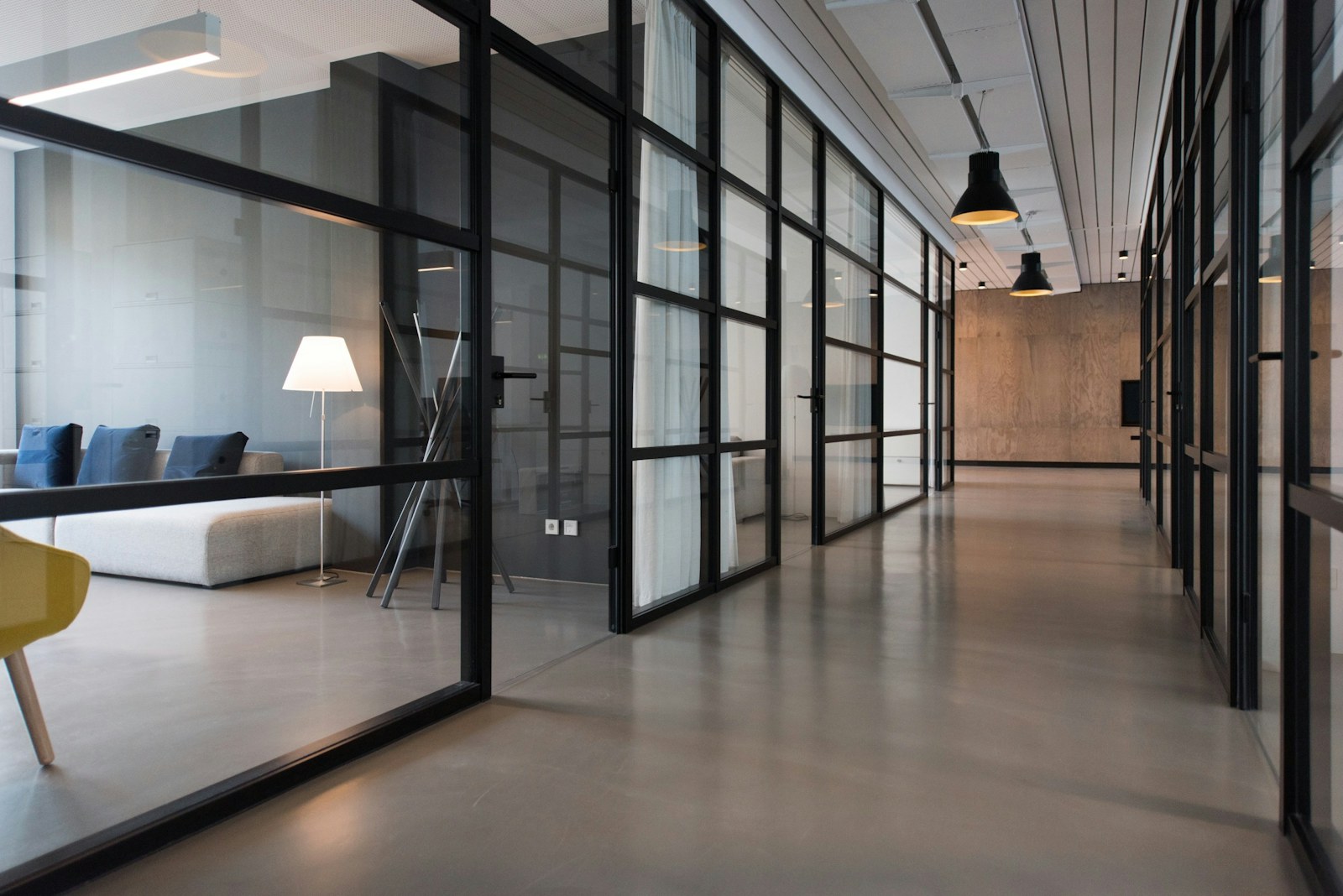
Modular offices do not simply replace office furniture with movable products, but organize space planning, partitions, acoustics, ground wiring, conference cabins, office furniture, lighting and maintenance extensions into an adjustable office system.
Summary
This article introduces the design logic of modular offices: starting from organizational changes, workstation density, meeting needs, acoustic privacy, electromechanical wiring and furniture configuration, the office is made into an adjustable, expandable and maintainable space product. GODA can generate product configurations and budget paths starting from floor plans.
Keywords:Modular office; office space design; conference cabin; phone booth; office furniture; prefabricated interior
The biggest change in office space is that the organization itself is changing
The modern office is no longer a simple combination of fixed workstations and conference rooms. Team sizes, hybrid working, video conferencing, private communications, collaboration spaces and ad-hoc project groups are all constantly changing. If the decoration is too fixed, the cost of later adjustment will be very high.
Modular offices organize partitions, conference rooms, phone booths, floor wiring, office furniture, storage, lighting and acoustic systems into combinable products, allowing the space to be adjusted to suit the team.
A good office is not a one-time decoration, but can continue to be adjusted as the organization changes.
Core system of modular office
The first is a space separation system, including glass partitions, movable partitions, conference cabins, phone booths and acoustic screens. The second is the infrastructure system, including ground wiring, network, power supply, lighting, air conditioning and fire protection interfaces. The third is the furniture system, including workstations, conference tables, storage, leisure furniture and movable whiteboards.
These systems need to be designed together rather than purchased separately. Otherwise, it is easy to have work stations but insufficient power supply, conference cabins but insufficient acoustics, and partitions but air conditioning and fire protection conflicts.
Separation and acoustics
Partitions, conference cabins, phone booths and sound-absorbing materials address privacy and communication.
Ground and electromechanical
Network, power, lighting, air conditioning and fire protection interfaces determine adjustability.
Furniture and storage
Work stations, conference, storage and leisure furniture determine the efficiency of daily use.
Start modular configuration from floor plan
When designing an office, you should not choose furniture first, but first determine the team structure, communication frequency, meeting types, visitor flow, and privacy needs. Then decide on the proportion of open workstations, focus areas, meeting areas, social areas and support areas.
GODA can start from the floor plan and break down the office space into quotable systems: partitions, cabins, floors, ceilings, lights, furniture and installation and maintenance. This allows customers to compare different configurations within their budget.
Traditional office decoration
Partition walls and furniture are fixed first, and subsequent adjustments usually require disassembly and modification.
Modular office
Build an adjustable system first, and continue to optimize it later through moves, replacements, and additions.
From design to installation, a product list and phase plan are required
Modular office delivery should include floor configuration, product list, material samples, mechanical and electrical interfaces, packaging and transportation, installation sequence and post-addition strategy. Especially for overseas projects, it must be clear in advance which products will be produced by Chinese factories and which will be installed by local teams.
For rapid relocation or renovation projects, conference cabins, phone booths, workstation furniture and partial partitions can be delivered first, and then the floors, ceilings and public areas can be gradually upgraded.
Team size, meeting frequency, privacy needs, budget and time.
Open areas, meeting areas, focus areas, support areas and visitor circulation.
Partitions, cabins, furniture, floors, lighting and electromechanical interfaces.
Install in stages and allow for subsequent expansion and replacement.
Are modular offices suitable for small companies?
Suitable, especially for companies with fast-changing teams, limited budgets, and those who want to upgrade in stages.
Can conference pods and phone booths replace conference rooms?
It cannot completely replace it, but it can complement the needs of small meetings, phone calls, videos and focused work.
Can office renovation be carried out without shutting down the business?
It can be done in stages, but requires advance planning for installation sequence, noise, logistics and site protection.
References
- Whole Building Design Guide. Office Building.
- DFMA. What is Design for Manufacture and Assembly?
- UL Solutions. GREENGUARD Certification.
Next Step
If you have an office floor plan, you can first make a modular configuration plan.
GODA will organize partitions, conference rooms, ground cabling, furniture and installation and maintenance into a quoteable list based on the team, budget and construction period.