Comparative analysis
What is the difference between precast construction and traditional construction?
Prefabricated construction and traditional construction are not a simple opposition of "old and new technologies". They represent two different ways of organizing projects: traditional construction leaves a large number of decisions on site, while prefabricated construction advances more design, processing, quality inspection and installation logic to the factory and supply chain stages.
Summary
This article compares prefabricated construction and traditional construction from six aspects: design pre-production, on-site operations, cost structure, quality control, change management and applicable scenarios. For owners, the choice of which method should not only depend on the unit price, but also on project duplication, construction schedule pressure, site conditions, supply chain maturity and subsequent maintenance requirements.
Keywords: Prefabricated construction; traditional construction; prefabricated interior; modular construction; cost comparison; project delivery
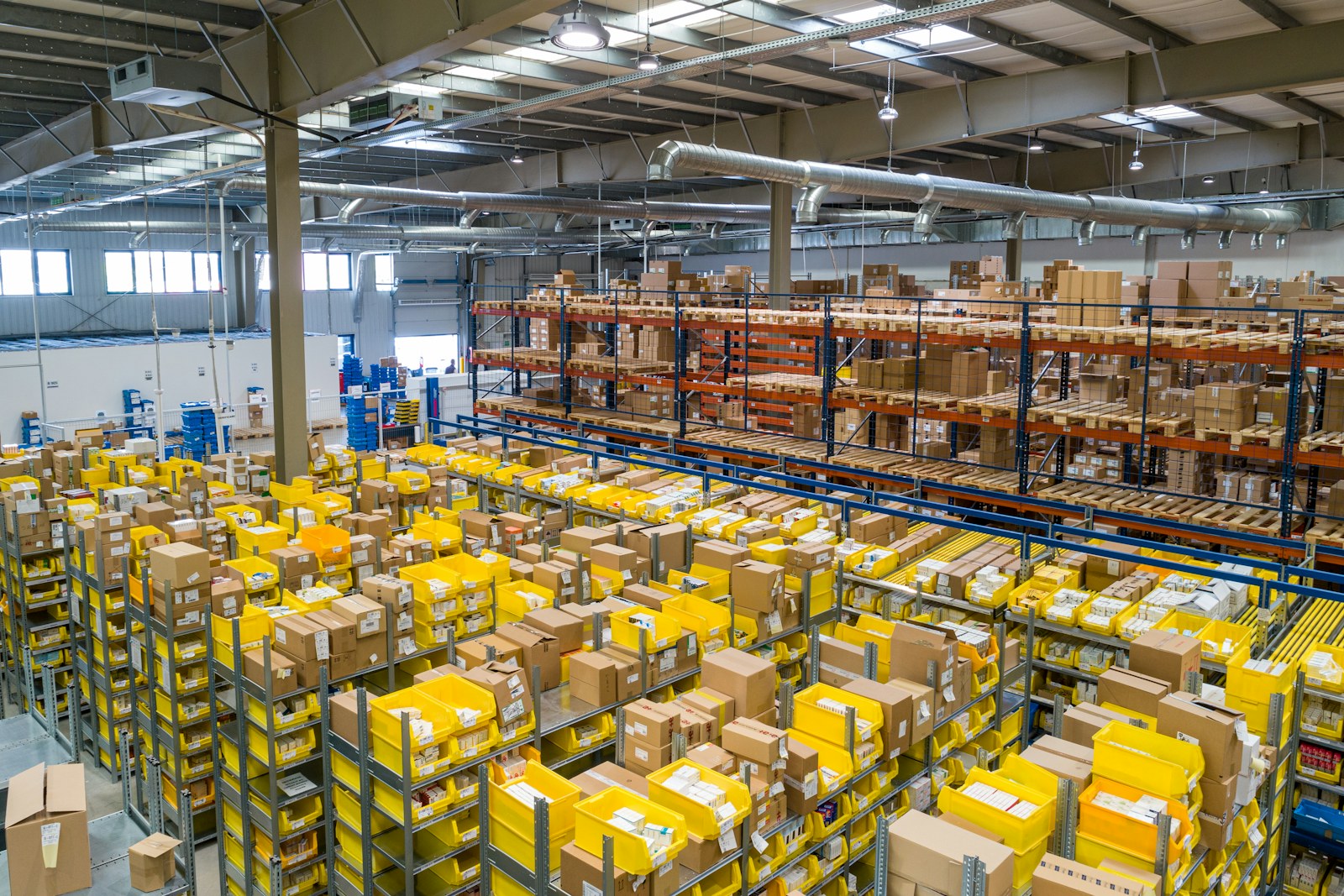
The Essential Difference: On-site Construction vs. Product Delivery
The advantage of traditional construction is flexibility. The site can be adjusted according to the actual situation, and many problems can be solved during the construction process. This method is suitable for projects that are highly customized, change frequently, have complex site conditions and are not suitable for standardization in advance.
The advantage of prefabricated construction is controllability. Wall panels, floors, pipelines, bathrooms, kitchens, furniture, modular rooms or building units can be processed, pre-assembled or quality-checked at the factory, and then transported to the site for installation. It requires clearer design upfront but reduces on-site uncertainty.
traditional construction
There is a high proportion of on-site operations and strong flexibility, but construction schedules, quality, material replacement and labor coordination are more likely to fluctuate.
prefabricated construction
The proportion of early deepening is high, the proportion of factory processing is high, and on-site installation is faster, but the scope and interfaces need to be frozen earlier.
The cost is not just based on the unit price per square meter.
Many customers will directly ask: Is prefabricated construction cheaper? A more professional answer is: it depends on the comprehensive cost of the project. The unit price of traditional construction may seem low in the early stage, but if on-site rework, construction delays, material loss, labor waiting and later maintenance increase, the comprehensive cost will become higher.
The unit price of a single material or module in prefabricated construction is not necessarily the lowest, but it can write the quantity, material grade, processing method, packaging, transportation and installation boundaries into the list earlier. The more transparent the budget, the easier it is to control the project.
direct cost
Materials, processing, labor, packaging, shipping, installation and equipment rental.
time cost
Construction delays, on-site waiting, cross-construction, loss of rent or delay in opening.
Maintenance cost
Later repairs, replacements, spare parts, division of responsibilities and secondary construction impacts.
Quality control and change management are completely different
The quality of traditional construction is highly dependent on on-site workers, managers and the construction environment. It can be adjusted on the fly, but it is also prone to quality fluctuations due to site conditions, work type coordination, material batches and manual errors.
Prefab construction moves quality control forward to the factory. Size, opening, edge sealing, waterproofing, pre-assembly, numbering and packaging can all be checked in advance. But it is not change-friendly: once mass production begins, modifying drawings or materials will affect costs and cycle times.
Once the design is complete and on-site, on-site procurement, processing, coordination and modifications are constantly happening.
First, deepen the drawings, confirm the prototype, lock the materials and interfaces, and then enter the factory production.
Traditional construction sites complete a large number of processes; prefabricated construction sites are more responsible for positioning, connection, debugging and acceptance.
How should projects be selected?
If the project is highly repetitive, has tight schedules, expensive on-site labor, and high quality consistency requirements, prefabricated construction is usually more worthy of consideration. If the project is highly individualized, the design has not yet been stabilized, and there are many site constraints, traditional construction or a hybrid approach may be more appropriate.
Actual projects are often not a matter of choice. A building can be built in a traditional way, with bathrooms, kitchens, walls, ceilings and furniture using prefabricated systems; it can also be modular, with on-site fine decoration reserved for parts of the interior. GODA prefers to use project logic to select combinations, rather than using a single technology to cover all scenarios.
First look at the drawings, scenes, budget and delivery time, and then decide which parts of the architecture, interior decoration, furniture, bathroom, kitchen and mechanical and electrical interfaces are suitable for prefabrication.
Is prefab construction necessarily faster?
The speed advantage is only apparent when upfront design, production, transportation and site preparation are well coordinated. If the design changes repeatedly, it will affect efficiency.
Is there still value in traditional construction?
Of course there is. Traditional construction remains important with a high degree of customization, on-site adjustments, and intricate detailing, and many projects are best suited to a hybrid path of traditional and precast.
Where should I start when trying prefabricated construction for the first time?
You can start with bathrooms, kitchens, wall systems, furniture packages, conference cabins or standard room types. These ranges are relatively easy to define and the results are easy to verify.
References
- Whole Building Design Guide. Modular Building.
- DFMA. What is Design for Manufacture and Assembly?
- Modular Building Institute. What is Modular Construction?
Next Step
If you're not sure whether to use traditional construction or a prefabricated system, do a project teardown first.
Send GODA the floor plan, project phases, budget and target construction period, and we will determine which areas are suitable for prefabrication and which areas make more sense to leave on-site construction.